The study
The SMART Schools study, led by Victoria Goodyear at the University of Birmingham, was published in The Lancet Regional Health – Europe in February 2025. It surveyed 1,227 pupils aged 12 to 15 in 30 secondary schools in England.
Twenty of the schools were "restrictive": pupils could not use phones for recreation during the school day, and phones usually stayed switched off in bags. Ten were "permissive", allowing use at break, at lunch or in certain places.
What it found
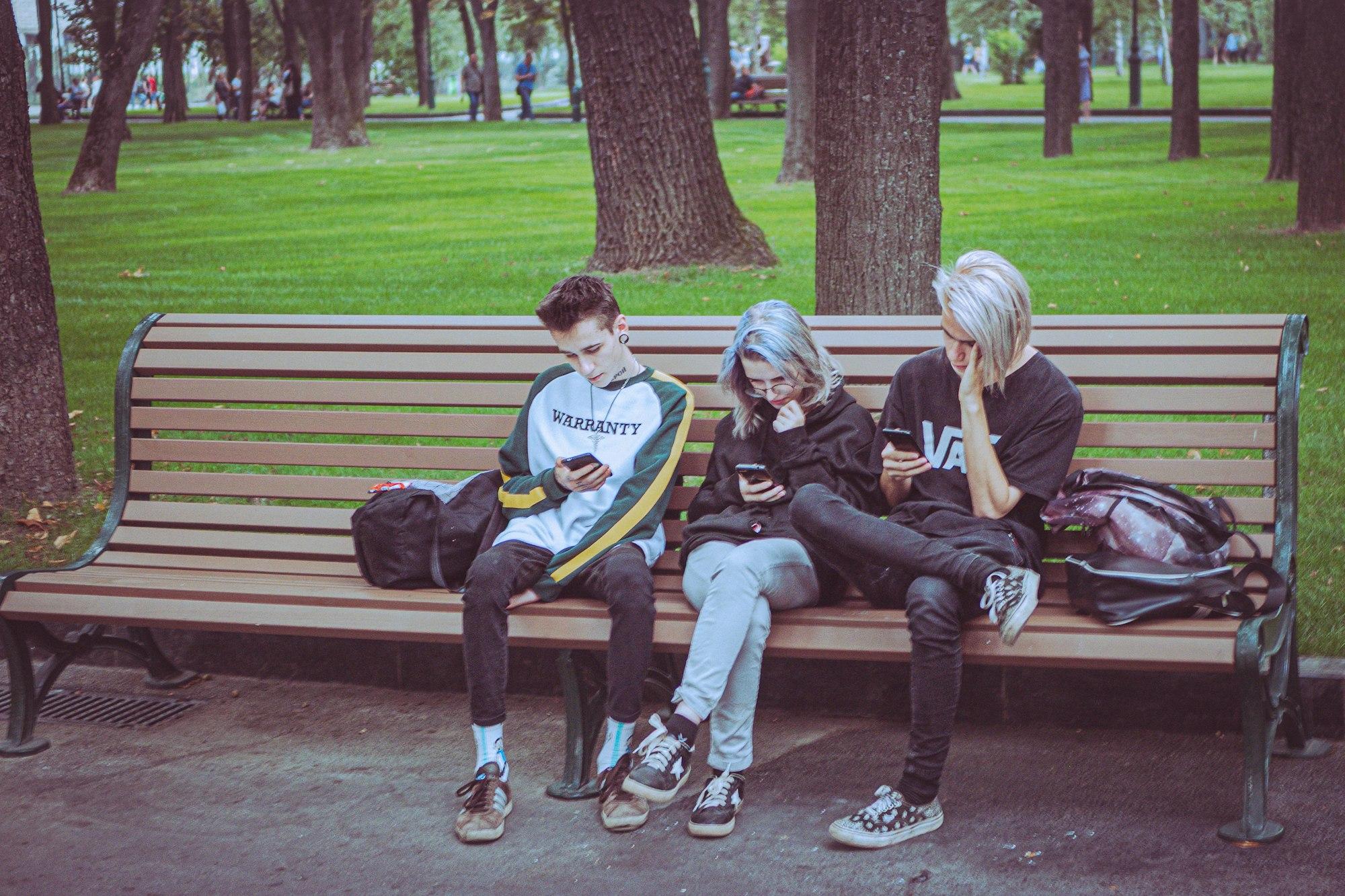
Pupils at restrictive schools used their phones for about 30 minutes less during the school day. But they made up for it outside school, so their total screen time and social media time, on weekdays and at weekends, was no different.
The study found no evidence that restrictive schools had pupils with better:
- mental wellbeing, anxiety or depression scores
- sleep or physical activity
- English and maths attainment, or classroom behaviour
What it did find was that, across all schools, pupils who spent more time on phones and social media had worse wellbeing, sleep and attainment.
A school-day ban reduced phone use at school, but not phone use overall. That may be why it changed so little.
What it does not tell us
The study has real limits, and its authors say so. It compares schools at a single point in time, so it cannot show cause and effect. Only about 10% of schools invited took part. Phone use was self-reported.
Critics, including the team behind The Anxious Generation, argue that the "restrictive" schools were not truly phone-free: most pupils still carried their phones all day. A study comparing fully phone-free schools, where phones are handed in or locked away, could find something different.
What this means for a school
- A ban is a reasonable classroom decision, not a wellbeing programme. Fewer phones in lessons can mean fewer distractions and less conflict over devices. Just do not expect it, on its own, to change how pupils feel or sleep.
- Most phone use happens at home. The heaviest use, and the strongest links to poor outcomes, sit outside the school day. Work with families on evenings and bedrooms, not only on the school gate.
- Look at total use, not just school hours. If you survey pupils, ask about evenings and weekends as well.
- Measure your own policy. If you introduce or tighten a ban, record a baseline first: incidents, pupil wellbeing surveys, attendance. Then you will know whether it worked in your school.
Sources
- Goodyear, V. A. et al. (2025), "School phone policies and their association with mental wellbeing, phone use, and social media use (SMART Schools)", The Lancet Regional Health – Europe. Summary from the University of Birmingham.
- Weiss, H. A. and Bonell, C. (2025), Smartphone use and mental health: going beyond school restriction policies, The Lancet Regional Health – Europe 51:101237.
- After Babel (2025), Flaws in a recent Lancet study on phone use in schools.